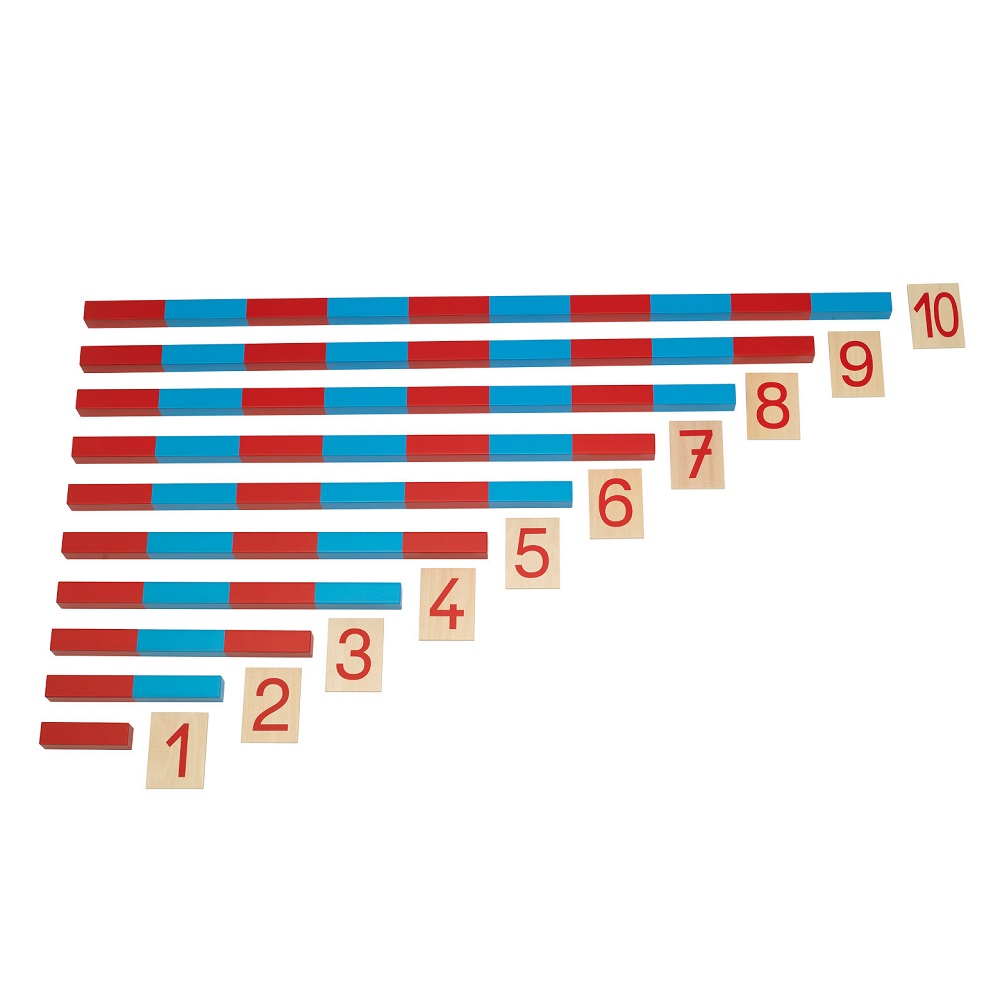
The smallest rod is 10 cm long, the longest is 1 meter long. The 10 bars are alternately red and blue. By placing the bars on the table or on the floor, children recognize the differences in sizes. The length of the bars gives them the value of the numbers from 1-10. By counting the colored segments from 1-10, the child practices recognition of numbers, digits and spatial location.
Excellent construction from high quality material.
This teaching material has as its primary objective the introduction of numbers and quantities from 1 to 10.
Material data: Smaller rod: length 10 cm. Longest bar: 100cm length of wood including tile numbers 1 to 10
Wood from sustainable plantations.
Environment and safety: CE marking, compliant with the European standard EN71.
Not recommended for children under 3 without adult supervision.
| Weight | 2.0 kg |
|---|---|
| Dimensions | 100 × 10 × 15 cm |
| Age | 3+ years old. Age is indicative, use depends on the child's development |
A picture sorting game made of FSC® 100%-certified wood
In stock
The wooden stylus in the wooden groove of each number creates a pleasant tactile stimulus that motivates children to write.
Number shapes are carved into lacquered panels – tabs. By tracing the numbers with a wooden pencil, the child learns how to use the writing tool and standard writing movements.
Learning objectives:
Material data:
The wooden panels – tabs measure 16 x 12 x 0.5 cm each.
The wooden stylus is 14 cm long and 1 cm in diameter.
The wooden box is 16 x 12 x 7 cm.
Environment and Safety: Wood from sustainable plantations.
Recommended age: suitable from about 3 years.
In stock
Number puzzles 1 – 10 clearly introduce the correspondence of numbers to children.
Count the dots and match with a number. Check the answers by fitting the puzzle pieces together.
In stock
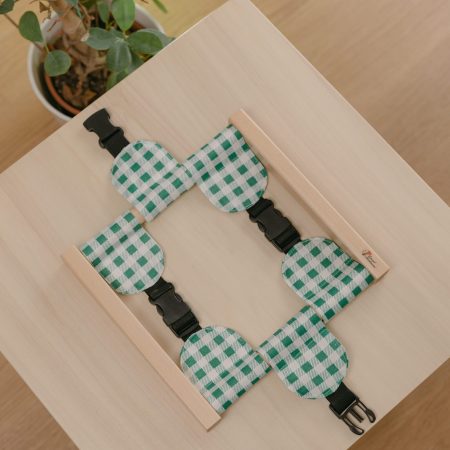
With this material, children learn, in a simple way, to open and close buckles.
In stock
Game for learning to differentiate 25 sounds from the house and the city, associate them with their real picture and also learn their names.
 What do I learn?
In stock
A game of association for learning to separate and classify different kinds of rubbish: organic, plastic, bottles, cans, paper, cardboard, glass, batteries, etc.
What do I learn?In stock
In stock
Made of high quality wood, this Montessori material is used as a puzzle.
The child learns the parts that make up a bird.
The individual parts only fit into the place provided for them.
You can use the material, amongst other things, to name the individual parts. You can also draw their outlines on a piece of paper and color them.
In stock
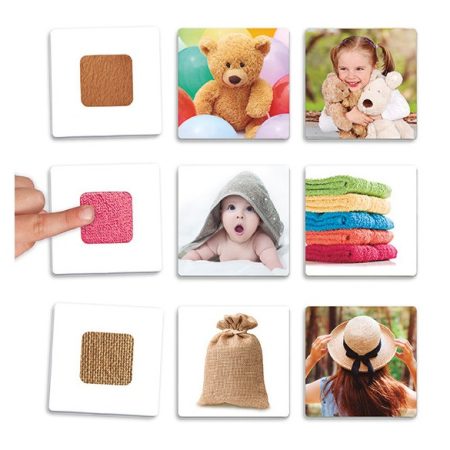
A SENSORIAL GAME of ASSOCIATION for facilitating various aspects of children’s psychological development.
What do I learn?-The sense of touch: tactile discrimination by recognising textures.
– Acquiring a basic vocabulary relating to the textures of objects.
– Tactile memory
In stock
When a young lady or a gentleman decides to enter the world of savoir vivre, it is worth getting our placemat.
In stock
A game of memory, observation and skill development for your child. Suitable for ages 3+.
In stock
This Montessori wooden toy has cylinders that vary in diameter or height.
Because of this variation, a child will be able to visually differentiate volume, size, height and thickness better. Whenever there is at least one cylinder left without its space on the block, a child must understand the mistake and correct it.
In stock
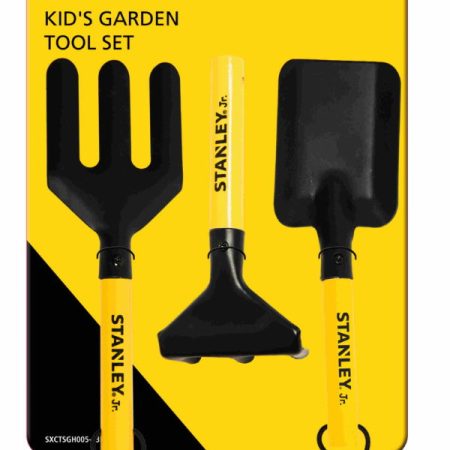
Real gardening tools for kids to learn by playing and getting to know nature.
In stock
Become an expert in forests with the puzzles “What fell from the tree”!
Get to know the leaves and fruits of the trees, learn their names.
You can also draw their outlines on a piece of paper and color them.
In stock
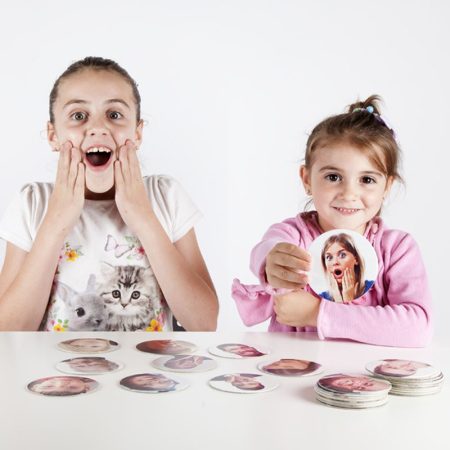
A game for describing emotions is the first step to starting to develop an emotional conscience, achieving greater self-control and managing to regulate emotions properly.
It helps to identify our own individual emotions, recognize them in other people, and take decisions about our behaviour.
What do I learn?In stock